

SOFT 2026 Lunch and Learn
Supercritical Fluid Chromatography Coupled to High-Resolution Mass Spectrometry: Applications in Forensic Science
Monday, September 21, 12:00 PM to 1:30 PM, Salon A1 & A2
Prof. Franck Saint-Marcoux
Professor of Toxicology and Head of the Clinical Laboratory and Forensic Toxicology Unit at Limoges University Hospital, France
Professor Franck Saint-Marcoux is Head of the Clinical Laboratory at Limoges University Hospital, France, where he also leads the Forensic Toxicology Unit. He is Professor of Toxicology at the University of Limoges and has extensive expertise in forensic, clinical and environmental toxicology. His work focuses on the development and implementation of advanced analytical methods for the detection and measurement of drugs and toxic substances in biological matrices, with particular interest in mass spectrometry and innovative chromatographic approaches.

Supercritical fluid chromatography (SFC) is emerging as a valuable alternative to conventional liquid chromatography for the development of analytical methods in forensic science. Its use of supercritical carbon dioxide as the main mobile-phase component can markedly reduce organic solvent consumption, hazardous waste generation, and the environmental burden associated with solvent production, transportation, and disposal. SFC can also provide rapid and efficient separations across a broad range of compounds, from lipophilic to moderately polar analytes.
This presentation will introduce the fundamental principles of SFC and examine its coupling with mass spectrometry, including high-resolution mass spectrometric detection. Particular emphasis will be placed on the practical considerations involved in developing robust SFC-MS methods for forensic applications, including stationary-phase selection, mobile-phase modifiers, pressure control, ionization, and compatibility with biological matrices.
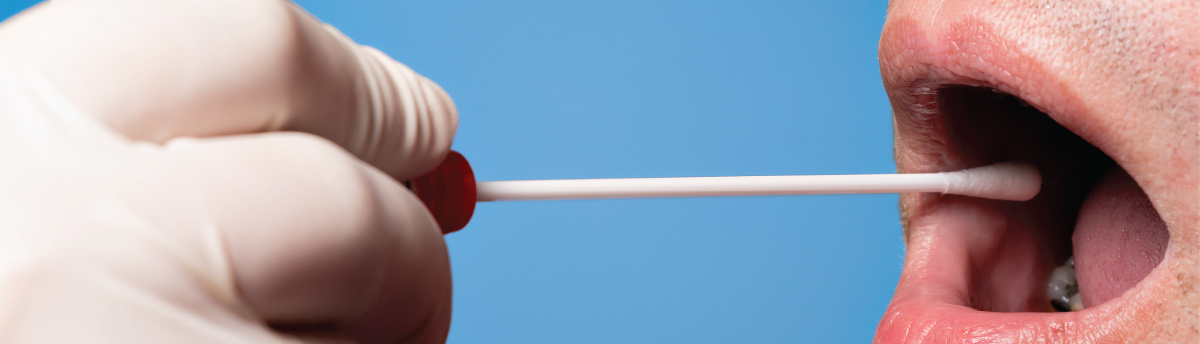
The potential of this approach will be illustrated using the development of an SFC-QTOF method for detecting drugs of abuse in oral fluid collected in authentic driving-under-the-influence-of-drugs cases.
At the end of the presentation, attendees should be able to:
- Explain the fundamental principles of SFC (roles of supercritical carbon dioxide, organic modifiers, pressure, and stationary-phase chemistry).
- Describe how SFC can be coupled with mass spectrometry for forensic applications.
- Identify the principal steps and technical considerations involved in developing an SFC-MS method for biological matrices.
- Evaluate the potential of SFC-MS to reduce analysis time, organic solvent consumption, hazardous waste, and the overall environmental footprint of forensic laboratories.
- Recognize the current benefits and limitations of implementing SFC-MS in routine forensic practice.


